

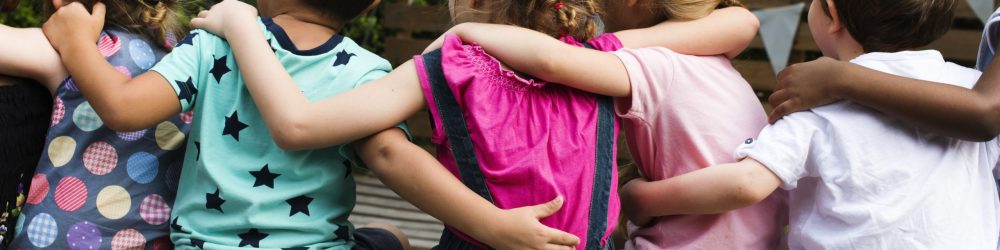
Dysorthographia affects spelling and written transcription, but it also influences other aspects of life. Many children with dysorthographia develop very strong interpersonal skills, because they learn early on to listen, understand and adapt. This particular sensitivity often creates solid, sincere friendships. This article delves into these social skills, which are too often overlooked yet essential to the well-being of the children concerned.
A valuable social sensitivity
Children with dysorthographia often feel emotions intensely. This sensitivity concerns not only learning but also social interactions. They pick up on atmospheres more easily, understand what is left unsaid and are attentive. This capacity strengthens relationships, as it helps to create an authentic connection. Specialists in developmental psychology highlight that this sensitivity can become a powerful asset in friendships.
Great empathy born from their own challenges
A child who faces difficulties in learning understands the suffering of others better. They know what it means to feel different. This personal experience builds strong empathy. Parents and teachers often notice that pupils with dysorthographia stand up for their classmates, reassure them or support them during difficult moments. This sincere empathy makes them very well liked.
Spontaneous humour that brings people together
The verbal creativity of children with dysorthographia is often underestimated. Even if they struggle to write certain words, they understand humour, role play and absurd situations very well. They use spoken language as a space of freedom, which creates moments of shared laughter. This quickness of mind encourages inclusion and strengthens friendship bonds.
Social skills built through resilience
Academic difficulties oblige children with dysorthographia to constantly adapt. This adaptation develops resilience, but also the ability to find solutions. In friendship, this translates into active listening, rare patience and genuine loyalty. Children with dysorthographia invest deeply in their relationships because they know what the support of others means.
An important role in group activities
In games, clubs or school projects, these children enjoy encouraging, organising and cooperating. Their sense of observation helps them see when someone is left out or struggling. They often step in naturally to include others. This capacity for inclusion is essential in groups of children, as it strengthens harmony and cohesion.
Table: Relational strengths observed in children with dysorthographia
| Quality | How it appears |
|---|---|
| Empathy | Understands the suffering of others |
| Loyalty | Supports their friends through difficult moments |
| Humour | Creates moments of lightness in the group |
| Sensitivity | Picks up on emotions quickly |
| Cooperation | Promotes inclusion in activities |
How can we help them strengthen these skills?
Even though relational qualities are already present, children with dysorthographia benefit from supportive environments. Cooperative games strengthen listening. Artistic activities support emotional expression. Tools such as Dys’tap.io help to reduce academic pressure, which leaves more room to flourish socially. Daily encouragement remains essential for building self-confidence.
Conclusion: a human richness that is too little highlighted
Dysorthographia is often viewed through the lens of its difficulties, but it also reveals remarkable human strengths. The children concerned possess a deep understanding of emotions, relational creativity and valuable loyalty. By highlighting these qualities, we transform the way they are seen and help them build lasting, positive friendships.
Sources:
- https://lesdys.fr
- https://dysorthographie.fr
- American Psychological Association – Socio-emotional development

